Plan Bee
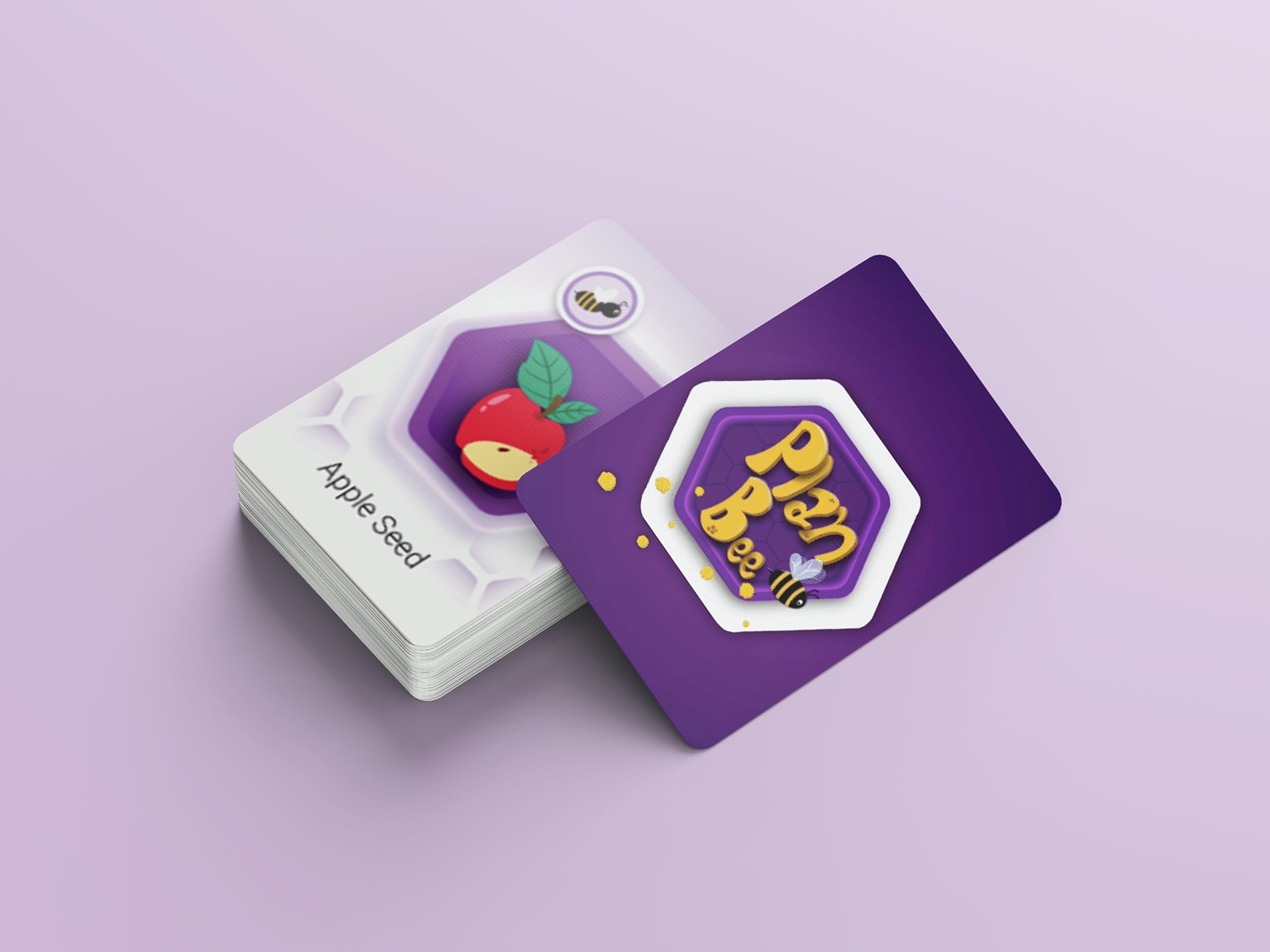
An applied game for nine to twelve year olds about the decline of pollinators, played with cards, paper money and a phone.
The brief
Craft an applied gaming experience on an environmental theme. We took the decline of pollinators and the threat it poses to global food production, and built a game that lets children feel that link rather than be told it.
Why pollinators
The dependency is easy to state and hard to feel. Pollination sits underneath a third of what ends up on a plate, and most of that work is done by an animal whose numbers are falling.
What is happening to the bees
Bee populations are declining worldwide, wild and domestic alike, with the clearest reporting from managed populations in Europe and the United States. Managed colonies in the US have fallen steadily over roughly sixty years.
Managed bee populations in the United States, shown relative to the 1947 peak.
Four causes
The decline in bees, and in many other pollinators, is attributed to four major reasons. Each one became an event in the game.
Who it is for
Two audiences, with different jobs. Students aged nine to twelve, who love being the expert, will not read the rules, and are working out who they are while staying part of the group. And teachers, who need ways to engage a class and already know where each student is strong or weak.
How a turn works
Turn based, up to four players plus the bank. Each turn is short enough to keep a class moving.
The two dashed steps are the choice each player makes at the top of their turn.
The physical half
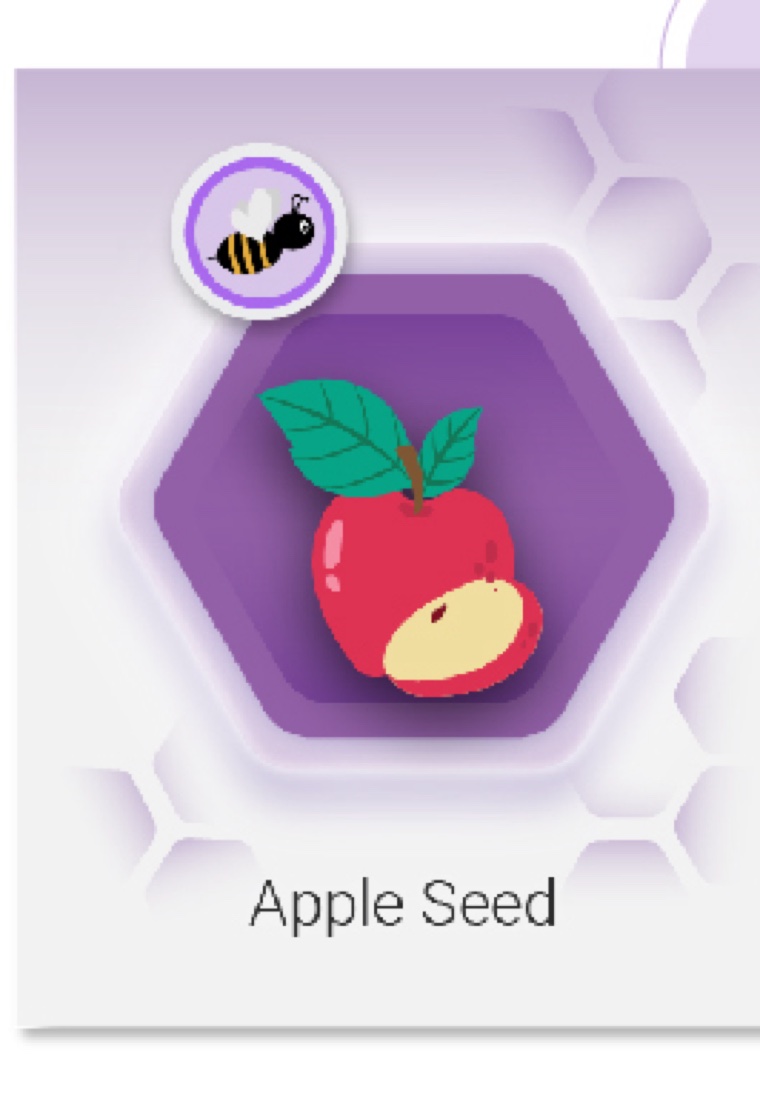
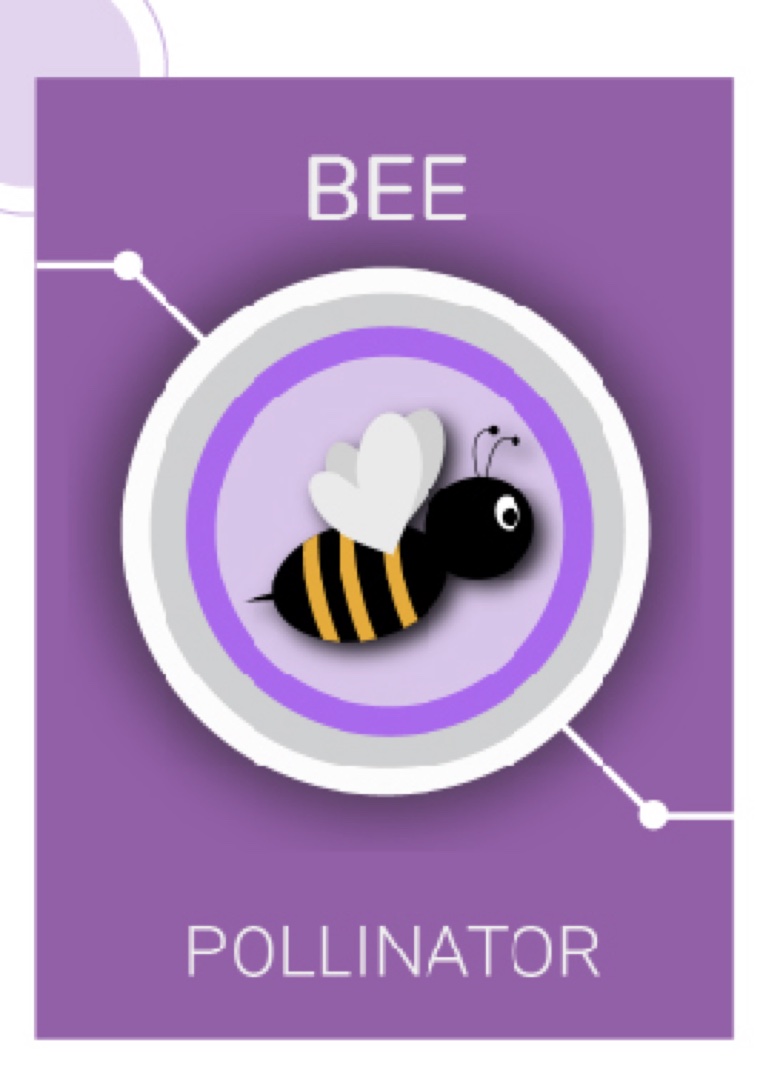
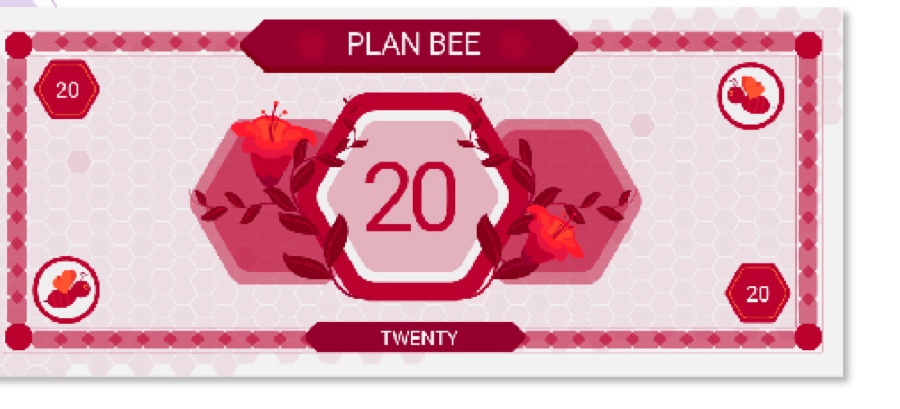
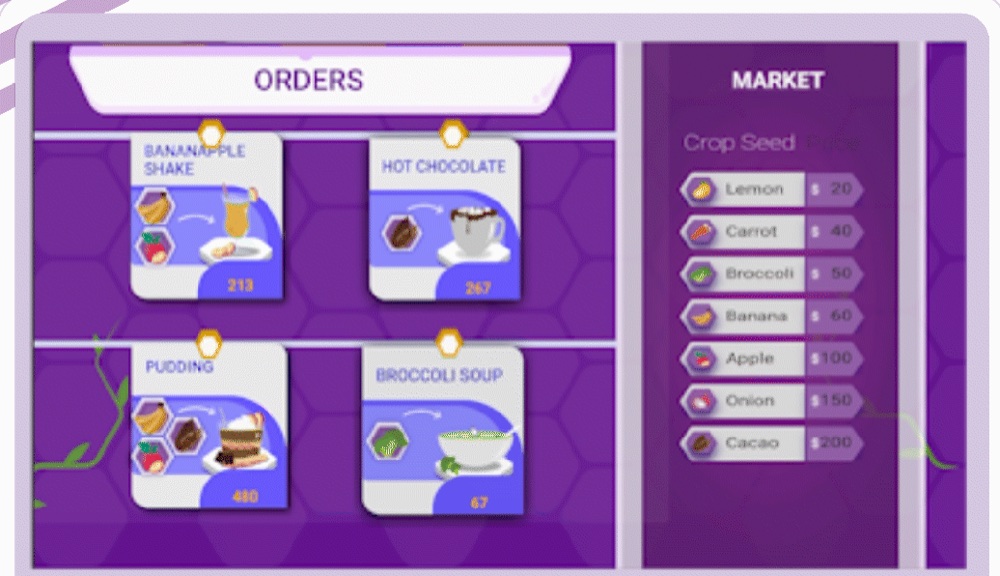
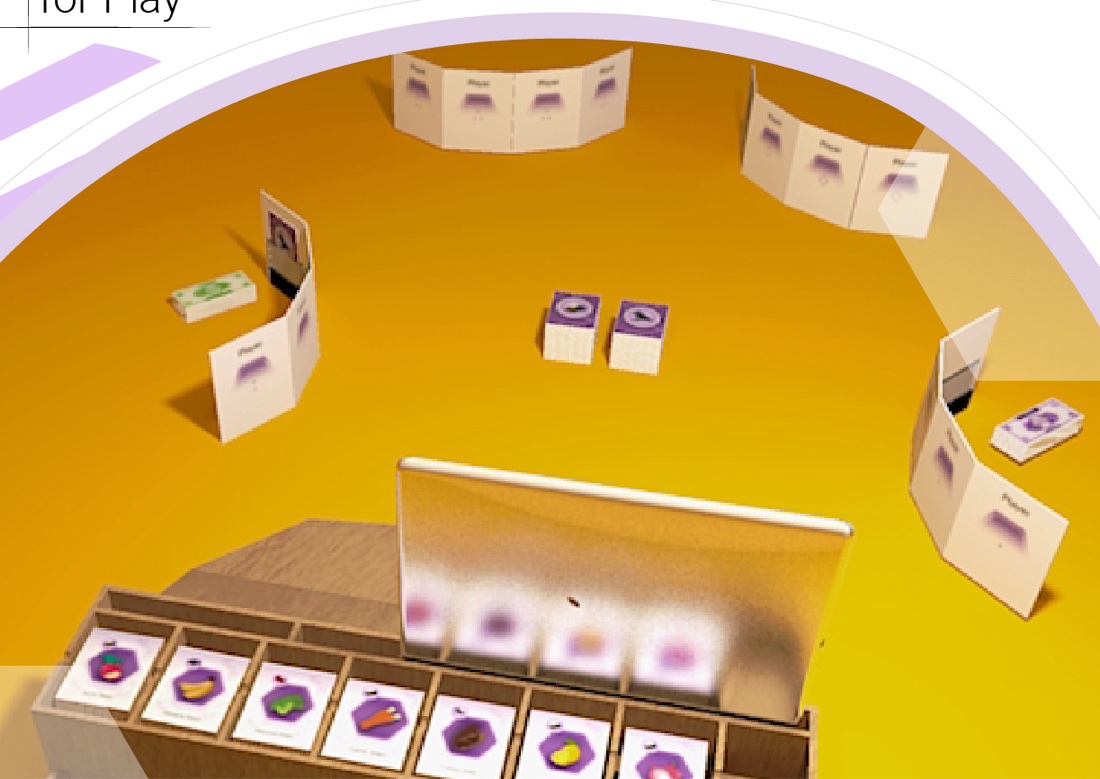
The cards had to appeal to nine to twelve year olds, so every crop is drawn rather than photographed, and each one sits in the same hexagon frame. Seed cards are bought from the market. Pollinator cards are drawn blind from a shuffled pile. Paper money gives each player a starting balance they have to invest and grow to survive.
The digital half
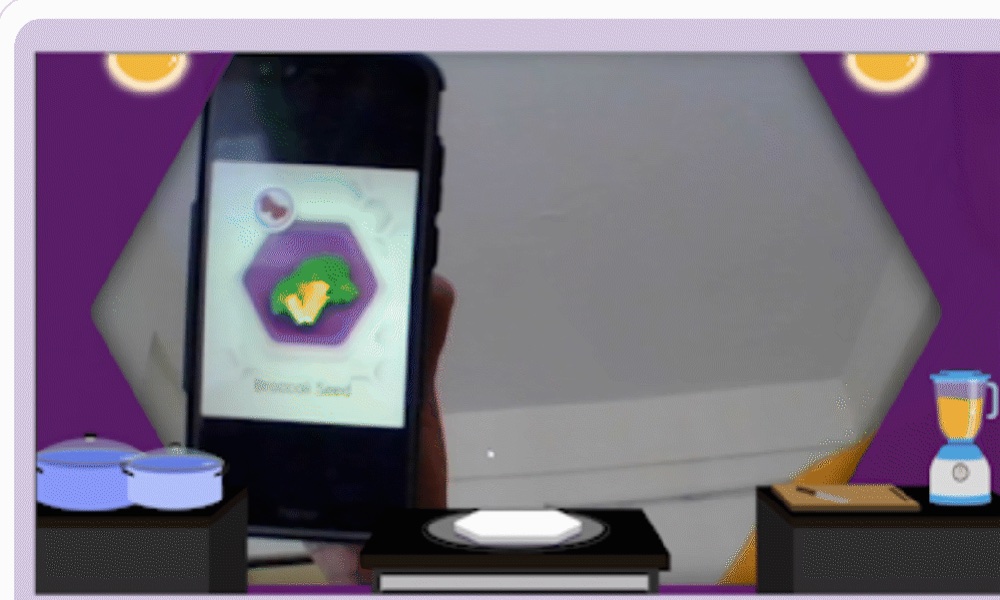
A good part of the game is digital, and the two halves are tied together with augmented reality. Players hold a phone over a physical card to check whether a recipe is actually fulfilled, which keeps the screen in service of the table rather than replacing it.
Events, and the clock
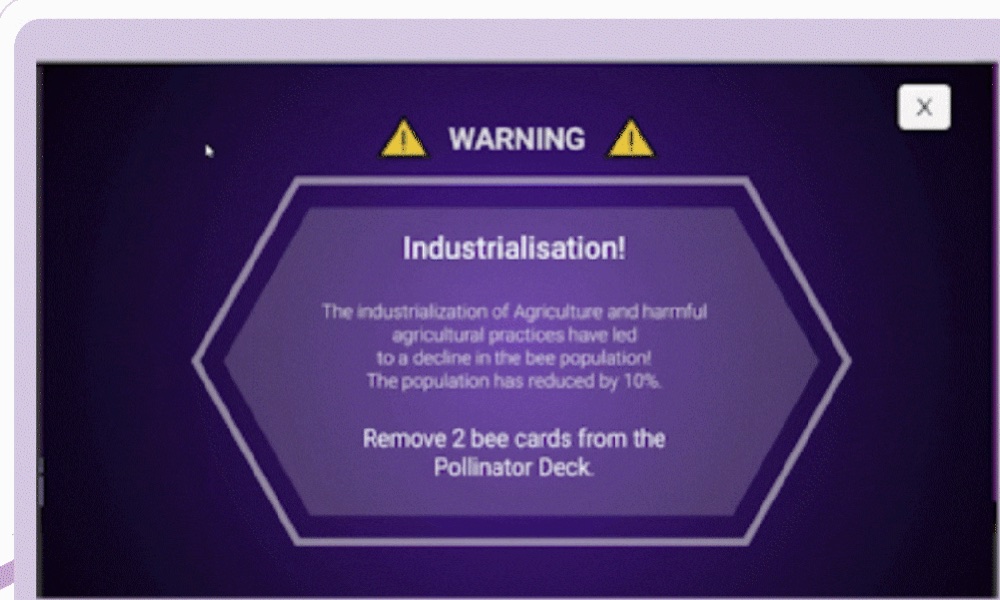
This is the mechanism the whole game turns on. Time does not pass in minutes. It passes in recipes served, and every milestone fires a real-world cause of bee decline that permanently removes cards from the pollinator deck. The resource you need most gets scarcer the better you play.
Seed prices inflate against the same clock, so the cost of playing climbs as the means of playing shrink. The end game coincides with a rate hike nobody can meet.
Who wins
With some heavy Monopoly influence, the winner is the player holding the most money and assets. The point underneath it is the opposite one.
On the table
Type and colour
Roboto throughout, for legibility at card size and on screen. Purple carries the brand, with secondary tones for crops, money and growth.
What next
This was a quarantine project, so it is missing the part that most needs a room full of people: playtesting with the age group it was built for. The next pass is to playtest, iterate and refine the balance, particularly the pace of the event timeline against how fast a class actually serves recipes.
Read the game design documentCredits
A team project, made in 2020.